Showing posts with label Indiana Pacers. Show all posts

December 8, 2019

The Thin Red Line


A tweet of support to Hong Kong protestors by an NBA manager endangers the league’s following in China and exposes its own double standards.

This essay was originally published in the November 2019 edition (Volume 9, Issue 1) of Fountain Ink Magazine. You can find the piece online here - first published on Nov 11, 2019.

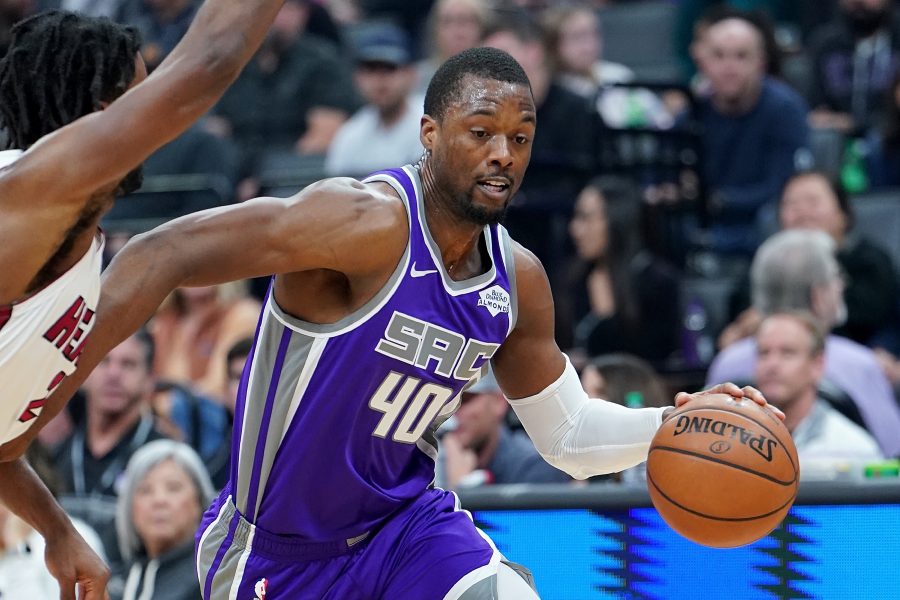
Adam Silver, commissioner of the most powerful and influential basketball league in the world, sat in the middle of the dais in a large press room at Mumbai’s NSCI Dome. He was flanked by Vivek Ranadive and Herb Simon, owners of the two teams who were set to play the historic first-ever NBA pre-season game in India. It was the setting of a monumental step forward for basketball in India.

And for the business of basketball, too. Before the first of the two games between the Sacramento Kings and Indiana Pacers, Silver and Co. announced that the North-American National Basketball Association (NBA) had been considering the launch of an affiliate basketball league in India. Silver mentioned that there were millions of young players, part of the NBA’s India grassroots programme with the Reliance Foundation. He added that hundreds of millions were now watching NBA games live on Indian TV.

That night’s game was a success, a thrilling overtime win for the Pacers, cheered on by 35,000 Indian kids in attendance from the NBA’s junior programme. The league, which has taken advantage of the worldwide popularity of basketball to become a global brand name, had scored in its longest shot yet to grab a stake in the Indian market.

Without a professional league, national success, or a profitable career path, basketball remains a niche sport in India, far from the eyes of the mainstream. But the NBA hasn’t been deterred, and they have continued to believe in India’s potential.
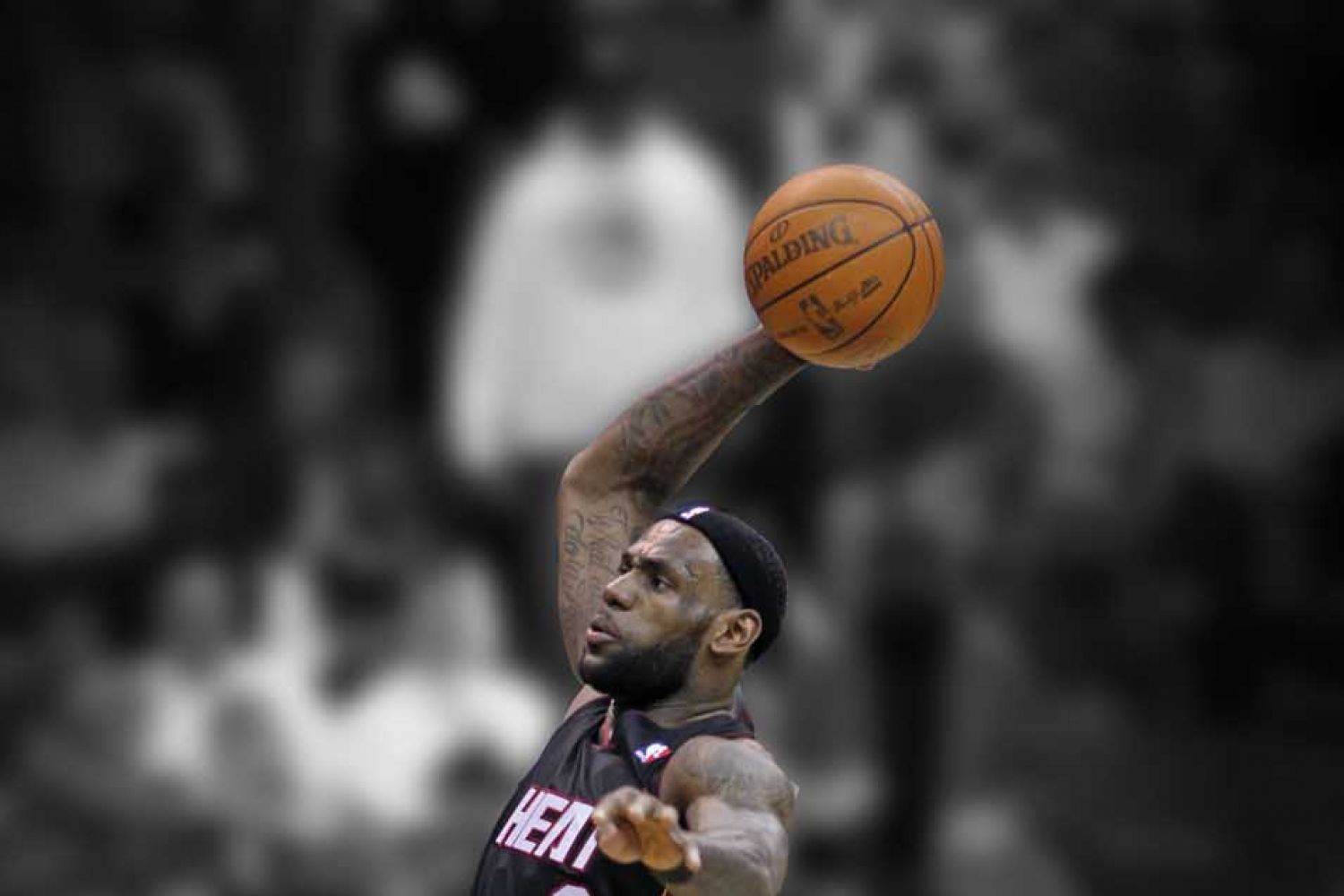
Part of this optimism is based on India having the second-largest population on Earth. China, the country that stands at number one, is also the world’s biggest pool of NBA and basketball fans, with the numbers topping off over 300 million. China has a far more mature basketball market, its own pro league, better infrastructure, and stars like Yao Ming that popularised the NBA in its backyard. In China, pre-season games like those that took place in India have been held every year since 2004.

India, of course, lags far behind. But the numbers and growing consumer culture is enough to encourage any foreign investors that, even a small percentage of fans from India’s billion-plus population would be a significant addition to the NBA’s global bottom line.

From lucrative shoe deals to broadcast partnerships to just about everything else around the game, China has been a goldmine for the league for decades. NBA players are worshipped in China, and, in return, the NBA gives back with special interest to its loyal fan base in a variety of ways.

But then, Daryl Morey tweeted.

***

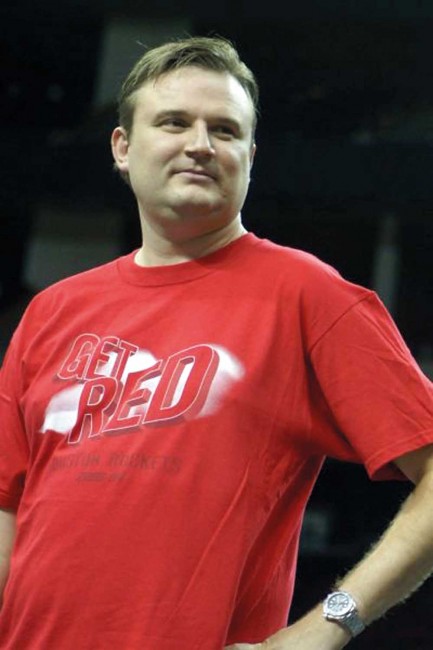
On October 4, 2019, the same day Silver, Ranadive, and Simon sat at a press conference in Mumbai, Houston Rockets General Manager Daryl Morey—one of the most respected minds in the business—tweeted an image with the words “Fight for Freedom / Stand with Hong Kong”.

He deleted that tweet. But the damage was done.

Tensions between “mainland” China and Hong Kong—a special administrative region—have been simmering for decades. But this year these tensions escalated to fever pitch, with protests in Hong Kong all summer. They began as a movement against the Fugitive Offenders amendment bill, worrying citizens that it could be used to potentially subject them to mainland Chinese jurisdiction. The relationship between the two states is complicated, as one believes in its autonomy (Hong Kong) and the other in its sovereignty over the entire territory (China).

The protests turned violent and caught the attention of Human Rights watchdogs around the world. In the ongoing trade war between the US and Chinese governments, China’s actions in Hong Kong have come under even higher scrutiny.

So, of course, the Chinese were unhappy about Morey’s tweet, especially considering that they looked at the NBA—and all its affiliates—as friends of their nation. In response, Morey received a planned, cohesive online attack. Based on a review of nearly 170,000 tweets by the Wall Street Journal and more expert information, Morey received angry responses from a number of pro-China Twitter troll accounts, many of them bots or created solely for the function of harassing the GM. Several of those tweets included the phrase “NSML”, a Chinese acronym for “your mother is dead”.

Morey’s own ownership group with the Rockets immediately distanced themselves from their general manager’s message. The NBA’s commissioner claimed that China even requested that Morey be fired from his job.

What complicates Morey’s personal involvement even further is that his employers—the Rockets—have been historically the most popular NBA team in China. They drafted and fielded Chinese legend Yao through the course of his Hall of Fame career and have had a large number of sponsorships and partnerships with Chinese companies.

The NBA’s first reaction was to douse the fire. After Mumbai, commissioner Silver flew to Tokyo for the NBA Japan Games, from where he put out an apology for offending the Chinese. The Rockets’ biggest superstar James Harden offered his own extended apology over his own GM’s tweet. Joseph Tsai, the new Chinese-origin (born in Taiwan) owner of NBA franchise Brooklyn Nets, reprimanded Morey in an open letter and supported China’s party line.

Back in the States, the NBA’s considerably “weak” apology to China became a firebrand issue for political conservatives. The NBA and its players had historically held a liberal stance on politics and opposed the US President. Silver hadn’t held back the league’s biggest names from speaking about the political issues they believed in.

Their collective distancing from Morey seemed like a hypocritical turn to appease a nation that had been so lucrative for their business. Despite being vocal about human rights at home, the league was blamed for choosing money over human rights issues abroad. President Donald Trump of course got into the action, singling outspoken NBA coaches Steve Kerr and Gregg Popovich for their distance from the China issue. “I watch the way that Kerr, Popovich, and some of the others were pandering to China and yet to our own country, they don’t—it’s like they don’t respect it.”

Right after his stopover in Japan, Silver was actually on a scheduled trip to China for this year’s NBA China Games in Shanghai and Shenzhen. The two games featured the Los Angeles Lakers—led by the NBA’s biggest name LeBron James—and the Brooklyn Nets, the team owned by Tsai. In a warning shot to the NBA, China cancelled the local broadcast of these games as a punishment for Morey’s tweet.

To keep its players from making inflammatory statements, the NBA cancelled all media interaction during the two games in China. Back in the United States, journalists were stopped from asking the China question and fans supporting Hong Kong were told to leave NBA arenas.

The media blackout, and the bans, were strikingly similar to China’s operations over its own affairs. The NBA—a model of free speech and liberalism at home—had seemingly paid obeisance to China by sacrificing some of its own values.

A recent, ongoing case of the NBA supporting a player’s outspokenness has been that of the Celtics’ Swiss-born Turkish player Enes Kanter, who is a vocal critic of Turkey’s President Recep Erdogan. The criticism has brought him death threats, cost him contact with his family, and made him a pariah in his homeland. But the NBA has stood by the player, often to Turkey’s displeasure.

China, however, is a different and more financially-sensitive issue. Silver eventually clarified his previous statement by saying that he supported the rights of Morey (and others) to speak out about the causes they believed in.

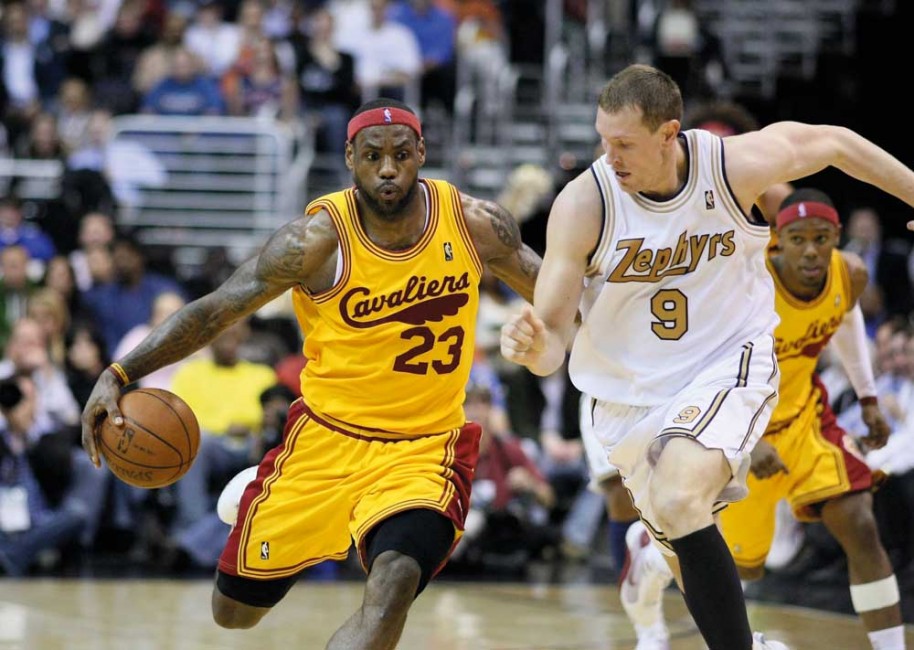
But when the Lakers returned stateside from China and their media blackout was lifted, James was asked to speak about the issue, and he only dug himself and the league into a deeper hole: he called Morey misinformed about the Hong Kong issue—a fight for democratic rights—and complained about the inconvenience that Morey’s tweet had caused him.

James is one of the flagship athletes for Nike, and China is one of the biggest markets for the sports-apparel company. Next summer, James will hope to oversee the release of his movie Space Jam 2 in China under Warner Bros.These are major financial considerations for him. After establishing a reputation as one of the most-outspoken athletes for justice in his homeland, James, too, has been perceived as powerless in front of China’s financial might. It was his weakest performance since the 2011 NBA Finals.

A few days after James’ message, a group of around 200 Hong Kong citizens gathered together on basketball courts for a protest. They chanted “Thank You, Morey”. Some wore masks of a “Crying LeBron” meme and some burned James’ jerseys. “Students, they come out like every weekend,” said one protestor to The Guardian. “They’ve got tear gassed and then they got gun-shot, like every weekend. Police beating students and then innocent people, like every day. And then [James] just comes up with something [like] that. We just can’t accept that.”

This issue is not going to go away. China’s human rights violations and history of totalitarian control over its people isn’t a new story. But for the longest time, the NBA—and countless other organisations from Disney and Nike to Apple and General Motors—have looked the other way at the bad news to continue business relations.
After all, every nation is flawed, and every company has a dark side. There are injustices in the USA, in Britain, in South Africa, in Saudi Arabia, in India. And yet, for the sake of international trade and relations, nations and private institutions make concessions, turn a blind eye, continue business-as-usual.

But most of those other companies aren’t the NBA. On his HBO show “Last Week Tonight” last Sunday (blocked in China, of course), host John Oliver best summed up the dilemma: “The NBA can either have a commitment to free speech, or they can have guaranteed access to the Chinese market. But they cannot have both.”

***

For centuries, sport has served as a balm for the aches of society, a kind of necessary distraction for the public, a unifying force for those with different political, economic, and social backgrounds.

But try as it might, sport hasn’t been able to separate itself from politics, and often served as a giant loudspeaker for global political causes. The 1936 Olympics in Germany will mostly be remembered for American track-and-field athlete Jesse Owens’ remarkable rebuke to Adolf Hitler’s Aryan nationalism at the global stage. African-American athletes Tommie Smith and John Carlos clenched their fists in the Black Power salute at the medal ceremony at the 1968 Olympics in Mexico. Boxing legend Muhammad Ali became a symbol of the American civil rights struggle after refusing the Vietnam War draft in 1967. Football icon Diego Maradona scored two winning goals for Argentina against England at the 1986 FIFA World Cup, celebrated by Argentines as revenge for the Falklands War.

In recent years, the most discussed case in the relationship between sport and politics in North America has been that of American Football player Colin Kaepernick. To protest police brutality and racism in the USA, Kaepernick began to take a knee during the pre-game national anthems before National Football League (NFL) games. The stance led him to being blackballed by the NFL and he wasn’t given a chance to play professionally again.

Last year, Nike made Kaepernick the face of their social justice ad campaign, continuing their support for American athletes who have spoken up politically in recent years—much like LeBron James. James, famously, called Trump a “bum” on Twitter and stood by his right to not “shut up and dribble” in the face of attacks from American conservatives. It was that bold move that earned James the respect of so many in his country and abroad.

And that is why it was equally disappointing to many when James criticised Morey’s rights to express his solidarity for social justice abroad, for Hong Kong citizens against China.

In India, the intersection of politics and sport has almost always involved our two national obsessions of cricket and Pakistan. Cricket, the country’s favourite sport and true love; Pakistan, our national enemy, our border opposite. India and Pakistan have often looked upon each other as evil twins; but like twins, they also have intricate similarities, and in this case, are bound by their mutual passion for cricket.

Whether it’s General Zia attending an India-Pakistan match in Jaipur in 1987, India’s “Friendship” tour of Pakistan in 2004, or India threatening to boycott the 2019 World Cup game against Pakistan following the Pulwama suicide bombing, the international matches between these two nations have rarely been only about the sport itself.

But standing up for your country in the face of an outside “enemy” is easy—it’s much more difficult when one has to stand up for the country against the country’s own government, policies, or injustices. During the 2019 Cricket World Cup, Indian legend M. S. Dhoni donned wicket-keeping gloves with the insignia of the Indian army’s special forces to nationalistic praise from home. But would he—or someone of his status—make a gesture to protest India’s domestic social problems?
Historically, Indian athletes have steered clear of inflammatory political statements against their government, be it in relation to oppression of religion, caste, gender, language, or culture. Athletes are often at the frontline representing Indian nationalism: they wear the nation’s colours on their badges, salute the national anthem before a big game, and dedicate their performance to the country’s national pride.

Then, there’s the matter of economics, too. Big business has the power to crown world leaders or exile them. They also have the power of influencing the Indian public figures they sponsor to stick to the message for the lowest common denominator, to please all and offend none. This is a tricky business in India, a country with an astonishing variety of culture and thought. Our biggest celebrities—Bollywood stars or cricketers—find it safest and most-profitable to speak in the most all-encompassing terms: love this movie, love this sport, love this country.

There are no Kaepernicks.

For Indian athletes, international sport unites otherwise-divided Indians under the same flag, instilling a feeling of patriotism. But patriotism is only a step away from its toxic cousin, nationalism, and the guise of nationalism has allowed Indian athletes to pledge unquestioning loyalty to the country, to equate loving India to loving its flawed governments.

***

For the NBA, India isn’t China. It isn’t a make-or-break market, one which, if lost, would cost the league billions, make teams adjust their salary cap, or make a considerable scratch on endorsement opportunities for players.

India is also not at the level of China for the American public in terms of their international relationship. China is a trade foe and an economic superpower holding the USA’s largest foreign debt. More American companies conduct direct business with China and Hong Kong, and there is more direct concern among Americans about China’s actions within and outside the mainland.

But India is growing, with ambitions to be the next biggest thing. A few weeks before the NBA India Games, US-India relations took an unexpected new step. At a reception for Prime Minster Narendra Modi in Houston, Trump jokingly suggested in front of the thousands gathered that he could show up in Mumbai for the historic preseason games. A couple of world leaders had used the NBA’s moment to inflate each other.

Trump never made that last-minute visit, of course. But during the course of the second Kings-Pacers game in Mumbai, Modi tweeted about the NBA India games, noting that the matches would “set the court for greater linkages in sports” between India and the USA. Over 50 million Twitter followers got the message.

But, like China, India is in the midst of serious domestic turmoil, issues that threaten our democracy. The abrogation of Article 370 and the follow-up shut-down of communication in Kashmir, lockdown of minors, and overall treatment of minority communities have put the spotlight on Modi’s government and their own missteps.

The Kashmir situation along with the National Register of Citizens (NRC) issue, unchecked violence, and suppression of liberal voices have created a dictatorial atmosphere. Union Home Minister Amit Shah even argued that India should have a different standard of human rights than the West. It isn’t quite China communism—but it’s certainly inspired by it.

Back to the press conference before the first NBA game in India. Ranadive, another vocal champion for liberal causes in his adopted country, said to the media that he had spoken to Modi about infrastructure and basketball arenas in India.

Imagine if this event had happened after “Moreygate”. What if, at that moment, someone had asked Ranadive or Silver about their stance on Kashmir? About human rights violation in India under Modi’s watch? The NBA would likely deflect that question diplomatically, but the issue would persist.

Much of the NBA’s business in India is done in conjunction with and the sponsorship of Reliance Foundation, the charity arm of Reliance Industries Limited. The game on the night of the press conference was officially titled “NBA India Games for Reliance Foundation ESA [Education and Sports for All]”. Reliance and its chairman Mukesh Ambani—India’s richest individual—have close ties with the government. Any political turn by NBA in India would create further complications in this relationship. For the NBA, it would be too risky to lose the country’s most lucrative partnership.

***

The new NBA season began at the end of October, bringing the focus back on basketball itself. On stars like Kawhi Leonard, Stephen Curry, Giannis Antetokounmpo, James Harden, and LeBron James, too. Basketball, for the fans of the sport globally, took centre-stage again.

But even if the tensions between the NBA and China simmer down, it is unlikely that they will vanish. The two sides are star-crossed lovers with opposing ideals. China loves the NBA and its product; NBA loves China’s fan-base and financial potential. But with one tweet, the ideological fissures between the progressive league and the undemocratic government have been revealed and widened. There is no going back now.

It is, of course, grossly unfair to expect professionals who play and think about sports for a living to be the beacon on serious political world issues. But the NBA built its reputation as a league outspoken on issues outside the basketball court. So, even if the questions are completely out of bounds, many have looked upon the same players, coaches, and GMs to have strong opinions on foreign affairs like they have had on their domestic issues.

While it’s easy to point fingers at public figures in the NBA, the truth is that, in this complicated world where everyone relies on everyone else, we are all guilty of overlooking certain factors as and when they fit our convenience. We have all contributed and benefited from the domestic and international economy, even when we may disagree with certain domestic and international policies.

In the future, NBA could potentially have a problem with India, just like every corporation could have a problem with every nation. Is it right to support American products like NBA when the Trump administration is caging children at the borders? Is it wrong to use China-made mobile phones when the nation is suppressing the rights of their Uighur, Tibetan, and other minorities? Is it bad to go on day by day in India without calling out the atrocities of our own government in Kashmir?

With the announcements in India on the same day as Morey’s tweets, the NBA clearly envisions bigger things in the future for its presence in India. But, will the recent China controversy change things?

Morey’s tweet is only the tip of the iceberg, the root of a bigger problem. The NBA will have to come up with a consistent policy to support its ideals, and not allow China to force its own worldview upon the league. Corporations around the world will be watching closely for NBA’s response over the next few months: the influence of the billion-plus citizens of China—and a billion more from India—will depend on it.

October 15, 2019

Bigger Than Basketball: The Significance of the NBA India Games


An edited version of this feature was first published for SLAMOnline on October 3, 2019. Read the original version here.


It truly hit me when I saw the promo on a national TV channel. A digitally altered Mumbai. Supersized balloon floats of Myles Turner and Harrison Barnes hovered over city’s iconic skyline. Young people gathered on the streets to watch. Kids jostled for space between the kaali-peeli—black-and-yellow—local taxis for a view. A massive Kings flag unfurled over the excited crowds, and a Pacers banner flew overhead. A cricket player stopped in his tracks to watch, in awe.

I watched in awe, too.

A day later, at a family function, my Maama—mother’s brother—asked me, for the first time, about work.

“So, the NBA is coming here in a big way, aren’t they?”

I smiled. In India, the ‘NBA’ and ‘basketball’ are buzzwords for the youth. People of my uncle’s generation would never “get it”, we thought. The game was too niche, the league was too far away from everyday Indian concerns for any of them to bother. There were a thousand other distractions in mainstream Indian culture.

But even he had heard about it. The Sacramento Kings and Indiana Pacers were coming to Mumbai for first ever NBA India Games in early October. A mere blimp on the NBA’s calendar, a preseason exhibition between two non-contenders But for India, a giant leap in its basketball history. The jump-ball start to a new era.

*

As an Indian child in the 90s, I knew of the NBA’s existence only in the peripheries. I’d heard of Michael and Magic. I knew that the “Chicago Bulls” meant something good. I’d seen Space Jam half dozen times.

But back then, I didn’t quite understand the value of the world’s greatest basketball league. No, back then, my Lord Almighty of Sports wasn’t Michael Jordan, but an unathletic 5’5” Indian cricket player with the voice of someone who had been skipped over by puberty: Sachin Tendulkar. Like every good Indian boy, Cricket was my Bible and Tendulkar was my God. The NBA was too far away, across oceans, across continents, a sport that spoke in a different accent from the post-colonial cricket commentators, a game that moved in a faster pace than I have ever been accustomed to.

Around Middle School, however, that began to change. Space Jam helped, of course. So did the friends who brought home NBA trading cards and copies of SLAM Magazine from abroad. My school in the Indian Himalayas was obsessed with basketball, and, in every moment of our free time, that’s all we did: stand around a rim shooting baskets, talking shit. I overheard names like Jordan and Malone, and Ewing and Shaq and Kobe. I began to see more basketball games on TV in India: broadcast live only a few times a week, and at the ungodly early morning hour, awake only with the chokidaars and the roosters.

In 1999, the new hobby became an addiction. I followed the playoffs closely, especially because of this underdog eighth seeded team in the East—the New York Knicks—that overcame all odds and beat all favourites to make it to the NBA Finals. Sure, they got whooped by the Spurs and the Twin Towers of Duncan and Robinson once they got there, but I was already in love. Houston, Sprewell, Camby, and SLAM’s first-ever cover-boy LJ had become my favourite team.

Later, out on the courts, my friends and I would re-enact these Finals, with each side assigning themselves the Spurs or the Knicks. I chose New York, of course, and worked day and night on my baseline turnaround fadeways, hoping to emulate Allan Houston’s devastating midrange shots.

Fast-forward the next two decades, and my NBA fandom went in the opposite direction of the Knicks’ credibility. From over thirteen thousand kilometres away, I watched the Spurs become an annual threat, the Lakers become a dynasty, the Suns change the pace and size of the game, LeBron change everything, Kobe make 81, Iverson step over Lue, the Heatles, the Warriors, and more Knicks embarrassments than the word-count of this entire piece. At least we had Linsanity.

For most of this time, the NBA and its biggest stars felt like as alien to me as the Monstars. They were from a different world, a different time-zone, stars in the sky so dominant and charismatic that they felt almost unreal, as if they were fictional characters living in a world I could never access. They might as well have been the Avengers. Some definitely had superpowers.

Over the years, the NBA superheroes began to feel a little more mortal. I visited the USA, attended my first game (Knicks at the Garden, of course), and later, interacted with and interviewed many stars professionally. But despite the cynicism that comes with age over most of the world’s magic, the NBA remained something pure and special. Something shudh, as we would say in Hindi. Something that, back home to us in India, was still a beautiful galaxy far, far away.

Once the NBA opened its first office in India, in Mumbai, in 2011, the pace of the game’s growth here took a mid-2000s-Suns-esque boost. NBA and WNBA players of the past and present visited multiple times a year, peaking with Kevin Durant dropping in 2017 for hyped-up visit, freshly minted with his first title and Finals MVP.

Meanwhile, the stream had flown the other way, too, and some of India infiltrated the NBA. Most prominently, Vivek Ranadive became the first Indian-born person to become a majority owner of the NBA when he bought the Sacramento Kings. Immediately, Ranadive began to share his vision of one day taking the Kings back to his birth-city—Mumbai—for an exhibition game.

For those of us watching and covering the sport from back here, this idea barely seemed feasible. India didn’t have the infrastructure or the market ready for an NBA game—even a mere preseason matchup. Ranadive’s vision, I had thought, was stuff of science-fiction.

*

And then, the stars came within reach.

Early in the 2018-19 season, the NBA officially made the surreal announcement: The first-ever NBA India Games would be held in Mumbai on October 4-5, 2019 in Mumbai between the Kings and the Pacers. One team, owned by an Indian-American. The other, interested in reaching out to the Indian market—and, of course, it doesn’t hurt the Pacers to have ‘India’ in their name.

The news was a pataakha for us Indian NBA fan, blowing our minds like fireworks. The long-foretold day was near.

The NBA had, of course, been holding preseason (and some regular season) games around the world for years, all over Europe, South and Central America, Asia, and the special Africa Games. In Asia alone, the league had become a preseason staple in the rabid China market, as well as in Japan, Philippines, and more.

The league’s landing in India had seemed both inevitable and impossible—before it became a reality.

Mumbai—formerly Bombay—is the perfect choice to host the event. It is the country’s financial capital, of course. But it is also seeped in local hoops history, featuring some of the country’s most iconic courts, tournaments, and legends of the game. It’s India’s largest city, densely traffic-jammed with the country’s diverse population, and the home of Bollywood, readymade for all the drama and action that the NBA promises to present.

*

Basketball existed before the NBA, and India was a colonised country and collection of states hundreds of years prior to that. But coincidence married these two histories together. The Basketball Association of America (BAA) was founded as the BAA in June 1946, and its first season was held from November 1946 to April 1947. In August 1947, India won its independence from British rule.

Two years later, the BAA and National Basketball League (NBL) merged to form what is known as today’s NBA. During the course of the first ‘proper’ NBA season in early 1950, India’s constitution went into effect, officially forming the Republic. This was also the year that India’s own governing body—the Basketball Federation of India (BFI) was born, and independent India’s first basketball team, captained by the late Ranbir Chopra, participated in the 1951 Asian Games.

But ever since, India’s has merely remained a reserve on world’s basketball’s roster, barely able to register a blimp in hoops history. While the NBA eventually became the most popular and powerful basketball league in the world, India had to settle for fragments and scratches of success. We finished fourth in the FIBA Asia Championship once, in the 70s. In 1980, our men’s team took part in the Moscow Olympics, only because the USA and a number of its allies pulled out of participating in Russia. A few of our players got to play in low-tier pro leagues around the world. In 2014, we defeated China on their home soil at the FIBA Asia Cup.

Yet, India remained a potential pot of gold for the NBA, with its rising youth population and the prevalence of basketball around the country, albeit as a much smaller sport compared to the awning shadow of cricket and others. The NBA continued to increase its India presence, and we had our big moment of cheer when Satnam Singh became the first Indian to be drafted—by the Dallas Mavericks—in the 2015. The 7-footer never played in the NBA itself, but we felt that it was the beginning of something big.

Soon, the NBA launched an elite NBA India Academy to hone more talented prospects, and eventually, take the next big leap after Satnam.

The announcement of the NBA India Games brought the two varying histories into confluence. A couple of days after I saw that TV commercial and spoke to my uncle, NBA-India relations took another unexpected, surreal step. At a reception event for India’s Prime Minster Narendra Modi in Houston, US President Donald Trump jokingly suggested in front of the thousands gathered that he could show up to Mumbai for the historic preseason games. A couple of questionable world leaders had used the NBA’s moment to inflate US-India relations—and suddenly, everyone from my local samosa-wallah to my other uncles and aunties understood that this ‘NBA’ thing—whatever it was—was a pretty big deal.

*

And then, there’s the matter of the Games themselves. Remember, that after all this shor-sharaba and hoopla, this is a mere preseason contest. In true sporting terms, it counts for nothing. In the absence of the injured Victor Oladipo, there will be no All Stars on the floor. In a country where casual fans only know names like LeBron, Curry, Durant, and—like everyone else—are learning to pronounce Antetokounmpo—there is little global name-recognition that the Pacers or the Kings can offer.

Nevertheless, both these teams are going to be stacked with exciting, young players, and even the easy-preseason flow will offer a brand of basketball far higher than ever witnessed in India. Fresh out of the FIBA World Cup experience, Bogdan Bogdanovic, Nemanja Bjelica, Myles Turner, Harrison Barnes, Domantas Sabonis, and Isaiah Pineiro will all likely feature at the games. Barnes is already familiar, having spent a week in India earlier in the summer to promote the upcoming contests. Bogdanovic, in particular, was one of the breakout stars of the FIBA WC, and will hopefully continue his momentum in Mumbai.

Additionally, several other enticing players from both teams like De’Aaron Fox, Buddy Hield, Marvin Bagley III, Harry Giles, Malcolm Brogdon, TJ Warren, and more will potentially suit up in the two matchups. The Kings’ young core in particular is being slated for a major leap, and the games in Mumbai could be their first chance of stating their intent for the upcoming season.

Expectations will be high for these games from the in-arena crowd at the NSCI Dome in Mumbai, as well as all those around the country who will watch the games on live TV; but we’ll have to remember that most preseason games are duds, rarely producing moments of magic or note, and rarely showcasing a team’s true form or shape before the start of the regular season.

But even these ‘meaningless’ exhibitions will mean a lot to the players who participate: they’ll get to be a part of history, and stake their flag in unchartered NBA grounds. Those Indians unaware of the NBA—my uncle-types—will hear about Fox and Turner long before James and Curry. Who knows, maybe impressionable young minds—like my friends and I—will re-enact Pacers and Kings like the way we did with the Spurs and Knicks twenty years ago.

Some of the most intriguing action will take place on the sidelines and off-court. Being in the heart of the Bollywood film industry, the game is sure to be star-studded with some of the biggest Indian celebrities. Indian athletes, including national basketball players, coaches, and more will be in attendance, too. Every bigwig industrialist or sponsor present will co-opt this moment for their own. And true fans are coming from all over the country to have this unlikely dream come true.

The players and teams are going to participate in off-court charity and fan interaction events around the city. The league’s commissioner, a handful of NBA legends, and international media will gather. And Mumbai’s returning native son—Kings owner Ranadive—will get to shine in the spotlight of helping make this possible.

*

It's pretty surreal for me, personally, to see how far things have come since my childhood. NBA fandom in India had felt like a secret society, a code with which only those ‘in the know’ communicated. Living in smaller cities in India isolated me even further. Behind the hazy of the night sky, the stars were barely visible.

But the haze has cleared away now, and the entire galaxy is shining brightly above us. Although basketball remains a smaller sport in relative terms, the NBA’s popularity is already something that a younger-me could’ve never anticipated.

Of course, the league still has a long way to go to catch up with other sporting brands, like Cricket’s IPL or even foreign football/soccer leagues like the EPL or La Liga. The media in India often talks about waiting for our own ‘Yao Ming Moment’, for the day that an Indian player makes an impact in the NBA, and thus, propels the market back home. India, of course, still doesn’t have its own full-time pro basketball league and our national team still isn’t making any waves in the global game.

And yet, with the upcoming NBA India Games, we’ve taken a historic step forward. If it’s just a preseason game, if it doesn’t really matter, then it’s just about to become the most meaningful meaningless game ever.

October 3, 2019

Indiana Pacers, Sacramento Kings, and more NBA legends land in Mumbai for first-ever NBA India Games


When I started this blog, almost exactly ten years ago, the mission was to capture the spirit and stories behind Indian basketball, the NBA, and any fringe ideas that somehow connected the NBA with India. There weren't many of the latter. I wrote back then about trips made by Kevin Garnett and Robert Parish to India, which flew so under the radar in the pre-social-media explosion that hardly anyone in the nation knew about it. I wrote about Dikembe Mutumbo showing up at the St. Dominic Savio High School in Mumbai with disbelieving excitement. I celebrated little-known clips, like the NDTV interviewing Shaq at the All Star Game about India, because there was so little other content to look for.

10 years later, with a slew of NBA activities in India including grassroots programmes, the elite Academy, India-specific programming, and superstar visits, we have come far away from those early days. This weekend, the NBA will host the first-ever NBA India Games at the NSCI Dome in Mumbai, two preseason matchups between the Indiana Pacers and the Sacramento Kings. It's the first time in history that entire NBA teams are in India, on our home soil, to play in an official NBA match - even though it's only an exhibition.

For years, I've kept a running list of every NBA player to ever have set foot in India, from Garnett in the mid-2000s to Kevin Durant a couple of years ago, and dozens upon dozens more in between. It was a growing list, but still manageable, as player visits happened a few times a year, and with some research, I had been able to keep track of every such event, organised by the NBA or otherwise.

Now, the cup runneth over. Landing in Mumbai this week, some of the players include: Malcolm Brogdon, Jeremy Lamb, TJ McConnell, Aaron Holiday, Naz Mitrou-Long, CJ Wilcox, Justin Holiday, TJ Leaf, Doug McDermott, Domantas Sabonis, Myles Turner, TJ Warren, Goga Bitazde (Pacers), Bogdan Bogdanovic, Yogi Ferrell, De'Aaron Fox, Kyle Guy, Buddy Hield, Cory Joseph, Trevor Ariza, Marvin Bagley III, Harrison Barnes, Nemanja Bjelica, Richuan Holmes, Isaiah Pineiro, Caleb Swanigon, Dwayne Dedmon (Kings) and many more. In addition, the coaching and executive staff of the two teams include more former NBAaers, such as Nate McMillan, Popeye Jones (Pacers), Vlade Divac, and Luke Walton (Kings). This is the second India trip for Barnes and Divac.

Additionally, NBA legends Detlef Schrempf (formerly Mavericks, Pacers, SuperSonics, Trail Blazers) and Jason Williams (formerly Kings, Grizzlies, Heat, Magic) are also in India as 'icons' of the Pacers and Kings respectively.

There will be many more NBAers setting food in India for this big game, and I'll make sure to keep track and update our (massive) list accordingly. For now, make sure to enjoy the game and follow my daily updates all week on NBA India's official website. Follow me on Twitter @hoopistani for real-time updates live from Mumbai from all the major events.

We've come so far for NBA and India - and hopefully, we have a lot further to go!

September 27, 2019

Hoopdarshan Episode 84: NBA India Games with Yash Matange


On October 4-5, the basketball story in India will take a massive leap with the historic, first-ever NBA India Games: two preaseason matches between the Indiana Pacers and Sacramento Kings in Mumbai. Hoopdarshan is here to break it all down: Co-hosts Kaushik Lakshman and Karan Madhok welcome NBA India's Content Producer Yash Matange to talk about the lead-up to this event, the two participating teams, off-court events, all the India/Hindi connections, and much more.

Matange writes and edits content for NBA India and made his second Hoopdarshan appearance. In this episode, we also spoke briefly about India at the FIBA Asia Women's Cup.


Hoopdarshan is the truest voice of Indian basketball, and since we're such hopeless fans of the game, it will become the voice of everything basketball related we love, from the NBA to international hoops, too. On every episode of Hoopdarshan, we will be inviting a special guest to interview or chat to about a variety of topics. With expert insight from some of the brightest and most-involved people in the world of Indian basketball, we hope to bring this conversation to a many more interested fans, players, and followers of the game.

Make sure to follow Hoopdarshan on Soundcloud or search for 'Hoopdarshan' on the iTunes Store! Auto-sync Hoopdarshan to your preferred podcast app NOW!

Hoopdarshan can be found on...

April 25, 2019

Former NBA champ Harrison Barnes to visit India next week


Harrison Barnes probably didn't think that his summer would unfold this way. The former NBA champ (with the Golden State Warriors) started the 2018-19 season with the Dallas Mavericks, but was traded before the deadline in February to another rebuilding squad, the Sacramento Kings. And, less than two months into his stint with Sacramento, Barnes is not a representative for the Kings in the opposite end of the globe, carrying the team's flag to India in anticipation for the biggest offseason yet in Indian NBA history.

In October this year, the NBA will hold two preseason games in India - between the Kings and Indiana Pacers - for the first time in history. Barnes, a smooth-scoring forward and the newest member of the Kings, will be visiting India to promote the continuing growth of basketball in the country and the upcoming NBA India Games 2019 from April 28 - May 3, 2019, announced the NBA.

Barnes will first stop in Delhi NCR on April 28 to attend the Reliance Foundation Jr. NBA National Finals at The NBA Academy India. He will then travel to Mumbai for live television appearances on Sony Ten 1 and Sony Ten 3's NBA wraparound shows on April 30, before returning to Delhi on May 3 to attend the National Finals of the fourth ACG-NBA Jump, India's national basketball talent search programme.

"This trip to India will be a great opportunity for me to get a sneak peek of the local culture before the upcoming preseason games in Mumbai this October," said Barnes. "I look forward to being a part of that historic event, and I'm excited to help support the NBA's various basketball development initiatives in India."

A 6-8 forward, Barnes was drafted into the NBA 7th overall in 2012 by the Golden State Warriors, where he grew into a solid foundation piece as the team - led by Stephen Curry, Klay Thomspson, and Draymond Green - developed into a championship contender. He was in the Warriors starting lineup as the team won the 2015 NBA title and remained an integral part of the team that won a record 73 games in the 2015-16 regular season, only to lose in the Finals to the Cleveland Cavaliers. To make room for their historic acquisition of Kevin Durant in 2016, the Warriors let Barnes go to the Dallas Mavericks. He played two-and-a-half years in Dallas before being traded to Sacramento in exchange for Zach Randolph and Justin Jackson.

In 28 appearances with the Kings, Barnes averaged 14.3 points and 5.5 rpg. The 26-year-old will serve a veterans role for the Kings squad that will visit India, who are boosted by exciting young players like De'Aaron Fox, Buddy Hield, Bogdan Bogdanovich, and Marvin Bagley.


January 31, 2019

Hoopdarshan Episode 73: NBA Midterms with Nikhila Makker


With the season right around its midway point, Hoopdarshan returns with an All-NBA special episode. Joined by special guest and freelance sports journalist Nikhila Makker, co-hosts Kaushik Lakshman and Karan Madhok talk about the Warriors' dominance, James Harden pros/cons, Kyrie's worth, Pacers vs. Kings in India, and the quality (or lack thereof) of NBA beards.

Additionally in Episode 73, Kaushik and Karan also discussed Jeena Skaria's professional turn to Australia, winners of the recently-concluded Senior Nationals in Bhavnagar, and much more!


Hoopdarshan is the truest voice of Indian basketball, and since we're such hopeless fans of the game, it will become the voice of everything basketball related we love, from the NBA to international hoops, too. On every episode of Hoopdarshan, we will be inviting a special guest to interview or chat to about a variety of topics. With expert insight from some of the brightest and most-involved people in the world of Indian basketball, we hope to bring this conversation to a many more interested fans, players, and followers of the game.

Make sure to follow Hoopdarshan on Soundcloud or search for 'Hoopdarshan' on the iTunes Store! Auto-sync Hoopdarshan to your preferred podcast app NOW!

Hoopdarshan can be found on...

December 31, 2018

Hoopdarshan Episode 72: Sanjana Ramesh on upcoming NCAA D1 journey + next year's NBA India Games


Episode 72 of Hoopdarshan comes around Christmas and New Year's with a double dose of gifts for the holidays. We are joined by Sanjana Ramesh - the Beagles Mamba - who discussed receiving a NCAA D1 scholarship from Northern Arizona, her basketball journey in Bengaluru, and her favourite dosas. Hosts Kaushik Lakshman and Karan Madhok also discuss the impact of the historic first NBA preseason games between the Kings and Pacers coming to Mumbai next year.

Ramesh (17), the youngest guest yet on Hoopdarshan, has joined an exclusive club by becoming only the second Indian to be offered a scholarship by an NCAA D1 team. She will join Northern Arizona next year. Originally from Bengaluru, the talented all rounder has featured in India's U16 Women's team, the senior team for the William Jones Cup, and earlier this year, won the MVP of the Basketball Without Borders Asia Camp in Greater Noida.


Hoopdarshan is the truest voice of Indian basketball, and since we're such hopeless fans of the game, it will become the voice of everything basketball related we love, from the NBA to international hoops, too. On every episode of Hoopdarshan, we will be inviting a special guest to interview or chat to about a variety of topics. With expert insight from some of the brightest and most-involved people in the world of Indian basketball, we hope to bring this conversation to a many more interested fans, players, and followers of the game.

Make sure to follow Hoopdarshan on Soundcloud or search for 'Hoopdarshan' on the iTunes Store! Auto-sync Hoopdarshan to your preferred podcast app NOW!

Hoopdarshan can be found on...

December 21, 2018

NBA officially announce first-ever preseason games in India: Indiana Pacers vs. Sacramento Kings in October 2019


It's time to finally write that new chapter in basketball history: after much anticipation over the years - including leaked rumours just a few months ago - the NBA has made it official: for the first time in history, India will host two NBA preseason games between the Indiana Pacers and Sacramento Kings next year. This will also be the first time any North American league has staged games in India.

The two matchups of NBA India Games 2019 will be held on October 4-5 at the NSCI Dome in Mumbai. The announcement was made on Thursday by NBA Deputy Commissioner Mark Tatum and NBA India Managing Director Yannick Colaco in Mumbai.

"Our inaugural NBA India Games will help further untap the enormous basketball potential in a country with a thriving sports culture and a growing, young and engaged population," said NBA's Commissioner Adam Silver. "We thank the Kings and Pacers organisations for participating in this historic event."

In addition to the games, the league and its partners will conduct interactive fan activities, Jr. NBA youth basketball programming and NBA Cares community outreach events that will bring the NBA experience to fans in Mumbai. The NBA India Games 2019 will be promoted by BookMyShow and AEG and supported by a roster of marketing and merchandising partners. The games will air live in India, and will reach fans in more than 200 countries and territories on television, digital and social media.

"We are proud to be the first global sports league to bring games of this scale to India," said Colaco. "The NBA and basketball have never been more popular in India, and fans will get to enjoy world-class showcases for our sport between two exciting teams in the Sacramento Kings and the Indiana Pacers."

The Kings are the first (and only) NBA team with an Indian-born owner, Vivek Ranadive. Ranadive will fulfil his long-running dream of bringing the Kings to India for an exhibition game, and particularly to his hometown of Mumbai. Under Ranadive, the Kings helped Canadian Sim Bhullar become the first player of Indian-origin to play in the NBA. The Kings have the longest current playoff drought in the NBA (12 years) but feature an exciting young team who are finally turning things around this season. Led by guard De'Aaron Fox, Buddy Hield, Willie Cauley-Stein, and featuring this year's No. 2 draft pick Marvin Bagley, they have become one of the top scoring teams in the league and currently hold a 16-15 record.

The Pacers have a much sunnier present-day outlook, as they stand 20-12 and look healthy for a mid-tier playoff spot in the East. They are led by All Star Victor Oladipo, rising Lithuanian forward Domantas Sabonis, Bojan Bogdanovich, and Myles Turner. They have one of the league's best defensive units, and in Oladipo, likely the biggest star at this showcase.

"The Sacramento Kings are proud to be playing in the first NBA games ever held in India," said Ranadive. "As an Indian-American, it is an honour to help bring this historic moment to the country where I was raised. The sport is experiencing tremendous growth in India and we are excited about continuing to expand the NBA’s reach to fans across the globe. The world wants to watch basketball and India is a fast-growing new frontier."

"We are thrilled to be one of the first two teams to play the first-ever game in India and proud to be part of the expanding NBA worldwide footprint of our game of basketball," said Herbert Simon, Pacers' owner.

Tickets to the games will go on sale at a later date. Fans can visit nbaevents.com/indiagames to register interest for information and tickets.

Since 2006, more than 35 current and former NBA and WNBA players have visited India on behalf of the NBA. The NBA office in Mumbai opened in 2011. The NBA Academy India, an elite basketball training center in Delhi National Capital Region (NCR) for the top male and female prospects from throughout India and the first of its kind in the country, officially opened in May 2017.

November 14, 2018

The Crossover Godfather himself, Tim Hardaway, is visiting Mumbai and Bengaluru for NBA India events


Before there was Allen Iverson, or Kyrie Irving, or Stephen Curry, Jamal Crawford, or Jason Williams, there was the godfather of killer crossovers, Tim Hardaway. Before the Golden State Warriors conquered the world with their Splash Triplets, there was the Run-TMC era. Before Wade and Shaq, and later, the Big Three bought championships to Miami, Hardaway led the team to a then franchise-best 61 victories. Before the time when the smallest guy on the court - the quick-footed, sharp-shooting, point guard - became an impossible to stop weapon, there was Hardaway, UTEP Two-Stepping his way to five NBA All Star appearances and becoming one of the most iconic guards of the 90s.

This week, Hardaway (52) will visit India to promote the growth of basketball and NBA India's recently announced McDonald’s NBA-themed promotion. and promote the growth of basketball. On Tuesday, November 13, Hardaway made his first stop in Mumbai to lead a clinic at the NBA Basketball School in Jamnabai Narsee, Juhu. On November 14, Hardaway will visit the McDonald’s restaurant on High Street Phoenix to meet with fan. On November 15, Hardaway will meet and greet with fans at the McDonald’s outlet in Lido Mall, Bengaluru. Hardaway will return to Mumbai for live television appearances on Sony Ten 1 and Sony Ten 3’s NBA wraparound shows on Nov. 17 to discuss the ongoing NBA season.

"Basketball has taken me to many places around the world and I’m excited to be in India to meet with the fans and do my part to further the development of the game," said Hardaway.

Hardaway was drafted 14th overall by the Golden State Warriors in the 1989 NBA Draft and named to the NBA All-Rookie First Team in 1990. He was part of the Warriors' iconic (but short-lived) crew "Run-TMC", that included him, Mitch Richmond, and Chris Mullin. His most productive season was with the Warriors in 1991-92, when he averaged a career-best 23.4 ppg. Hardaway was traded to the Miami Heat midseason in the 1995-96 season. In 1996-97, Hardaway finished a career-best fourth in NBA voting, selected to the All NBA First Team, and led Miami to 61 wins. Hardaway also played short stints with the Dallas Mavericks, Denver Nuggets, and Indiana Pacers, before retiring from the NBA in 2003. A five-time NBA All-Star, he averaged 17.7 points, 3.3 rebounds, and 8.2 assists in his career and was named to an All-NBA Team five times.

Hardaway returned to the NBA in a coaching role in 2014, and served as an assistant coach to the Detroit Pistons till the 2017-18 season. Hardaway's son, Tim Hardaway Jr., was drafted to the NBA in 2013 and is currently playing for the New York Knicks where he is the team's leading scorer.

Seriously, Senior Hardaway was legit. Here's proof:


October 8, 2018

Pencil in your calendars: NBA preseason likely heading to India in 2019


It's the news we've been waiting to hear for years, at least since the NBA's first-ever India-born owner Vivek Ranadive bought the Sacramento Kings and immediately went into overdrive to lure the Indian basketball market. Ranadive has wanted to bring an NBA preseason game to India since 2013, and while the NBA made its continuing inroads in China once again this week, the league finally dropped a hint that India could be next.

Reporting from the NBA China Games in Shenzhen, ESPN's Tim MacMahon tweeted that the NBA will hold 2019 preseason games in Japan (two cities), Dubai, and India. Ranadive's Sacramento Kings are expected to participate in the Dubai/India games. According to Scott Agnes, a Pacers reporter for the Athletic, the Indiana Pacers have been scouting locations in Dubai and India and will be the Kings' likely opponents in these games.

If true, this news will confirm the rumours that have been swirling stronger in Indian basketball since NBA's Commissioner Adam Silver announced in February that the league plans to bring a preseason game to India next year.

Now that the news has leaked, the next twelve months will probably be filled with details of host cities in India preparing for this big event. As the country's financial capital, Mumbai have the lead in the race here. But Bengaluru has a strong international culture and India's best-used basketball arena, the Sree Kanteerava Stadium. A wildcard is the NBA's Academy in Greater Noida, which is an inconvenient location for such a big event, but could be something the NBA might settle for to have the game tighter under their reigns.

For now, Indian fans can start prepping to jump on the Kings or Pacers bandwagons in advance for the game, especially since they are two of the league's lesser-known squads globally. My advice for those wanting to take the lead in merchandising? Find the Sim Bhullar Kings jersey, honouring the big man who earned his 15 seconds of fame by becoming the first player of Indian-origin to play in the NBA. Or, if you'd rather pick the Pacers, customise an Indiana jersey so it just reads 'Indian' in the front. I'm sure Reggie Miller would be proud.